Table of Contents
ToggleIn the vast pantheon of ancient Egyptian deities, Anubis stands out like a jackal in a room full of cats. With his distinct canine head and mysterious aura, this god isn’t just a pretty face; he’s the ultimate guardian of the afterlife. If you’ve ever wondered who’s in charge of ensuring your soul takes a smooth ride to the afterlife, look no further. Anubis has got your back—and he’s not even charging a fee!
Anubis embodies the essence of mummification and the protection of the dead, making him a key player in the ancient Egyptian belief system. With his keen sense of duty, he guides souls through the treacherous journey of the afterlife, ensuring they’re well-prepared for the judgment that awaits. So, buckle up as we dive into the fascinating world of Anubis and uncover what makes this enigmatic god so essential to Egyptian mythology.
Overview of Anubis
Anubis serves as the ancient Egyptian god associated with mummification and the afterlife. He appears with the head of a jackal, symbolizing his connection to the protection of the dead. This deity plays a crucial role in guiding souls to their final resting place, ensuring safe passage through the underworld.
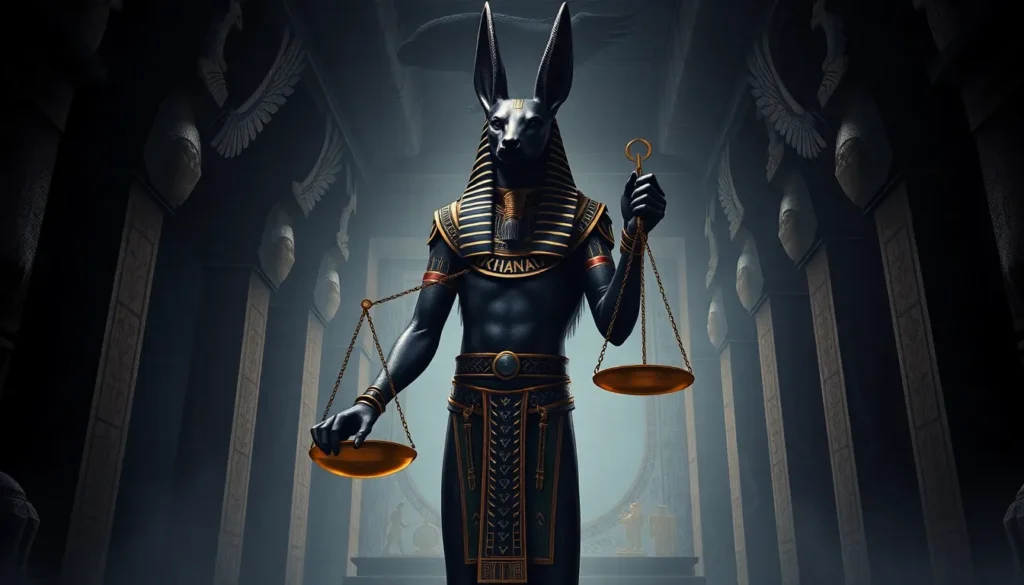
The ancient Egyptians revered Anubis for overseeing the mummification process. His presence during these rituals signified a sacred duty to preserve the body for eternity. Additionally, he often weighed the hearts of the deceased against the feather of Ma’at, representing truth and justice, to determine their fate in the afterlife.
Depictions of Anubis prominently showcase him as a protector. Statues and images often illustrate him standing beside coffins or in burial scenes, reflecting his vital protective role. His association with death and rebirth established Anubis as a central figure in funerary practices.
In various texts, Anubis is referred to as the “Guardian of the Scales,” highlighting his responsibility in the judgment process. Myths describe him as an essential intermediary who guided the departed to Hades or Duat, where they faced Osiris for judgment. His importance extended beyond mere guardianship; he signified the journey of the soul and maintained cosmic order.
Worshippers expressed their devotion to Anubis through offerings and prayers at tombs and temples. These acts reinforced their belief in his protective nature and sought his favor for a smooth transition to the afterlife. Ultimately, Anubis embodies more than just death; he symbolizes hope, protection, and the continuation of life in another realm.
Significance of Anubis in Ancient Egyptian Culture
Anubis holds a critical place in ancient Egyptian culture, particularly regarding the afterlife and mummification.
Role in the Afterlife
Anubis acts as a guide for souls entering the afterlife. He directs deceased individuals through the Duat, the Egyptian underworld, ensuring they reach Osiris for judgment. His presence brings comfort, establishing the idea of safe passage beyond death. While leading souls, he checks their readiness for the trials ahead. Offering protection, he symbolizes the transition from earthly life to a new existence. Anubis also serves as an intermediary between the living and the dead, maintaining a connection with the divine. Ancient Egyptians prayed to him for reassurance and guidance during this crucial journey.
Connection to Mummification
Anubis plays an essential role in the mummification process. He oversees the preservation of the dead, ensuring bodies remain intact for eternity. His depictions often include him attending to the rituals necessary for proper burial. These rituals reflect the importance of honoring the deceased. Anubis embodies purification and protection during this sacred procedure. Additionally, he’s associated with the embalming process, signifying the importance of physical preservation. Worshippers sought his favor through offerings, believing that his guidance would secure a peaceful afterlife for their loved ones. His influence on mummification practices highlights the value placed on rituals in ancient Egyptian beliefs.
Anubis in Egyptian Mythology
Anubis holds a prominent position in Egyptian mythology, revered for his protective nature and significant role in the afterlife.
Family and Relationships
Anubis’s parentage is often associated with the ancient Egyptian deities Osiris and Nephthys. According to myth, Nephthys, the goddess of funerary practices, bore Anubis. Osiris, the god of the afterlife, plays a crucial role in Anubis’s responsibilities. Siblings include Horus, the god of the sky, who often acts as a counterpart in various mythological narratives. Relationships among these deities illustrate interconnected roles in Egyptian beliefs surrounding death and resurrection. Anubis’s close ties with Osiris highlight his function as a guide, ensuring souls reach their proper judgment. Worshippers recognized these familial connections as central to understanding his importance in funerary traditions.
Depictions in Art and Sculpture
Artists frequently depicted Anubis as a figure with a jackal’s head, symbolizing his connection to death and the afterlife. Statues and reliefs showcase him in various poses, often attending the mummification process or standing guard beside sarcophagi. His representation in tomb paintings emphasizes his role during judgment, particularly in the “Weighing of the Heart” scene, where he assists Osiris. Craftsmen used black stone for statues, reflecting the color of mummified remains and symbolizing resurrection. Such artistic expressions underline Anubis’s importance in ensuring safe passage to the afterlife, encapsulating both reverence and fear associated with death. These depictions reinforce his status as a guardian of souls, central to ancient Egyptian art and spirituality.
Worship and Temples
Anubis was central to ancient Egyptian worship, reflected in numerous temples and sites dedicated to him.
Historical Sites Dedicated to Anubis
Several archaeological sites showcase Anubis’s importance in ancient Egypt. The Temple of Anubis at Abydos served as a noteworthy center of worship, attracting pilgrims seeking favor from the deity. Tombs often featured statues and reliefs of Anubis, emphasizing his role as protector of the dead. Hierakonpolis is another site where worshippers honored Anubis through rituals and offerings. His presence in these sacred locations reinforced beliefs about the afterlife and the need for divine protection during the burial process.
Rituals and Offerings
Rituals dedicated to Anubis were crucial in ancient Egyptian practice. Offerings of food, incense, and oil were common, believed to please the god and ensure safe passage for the deceased. Ritualistic prayers were often recited to invoke his protection and guidance over the souls. During funerals, priests would conduct ceremonies invoking Anubis, reinforcing the importance of his role during this pivotal transition. Each gesture and offering symbolized a connection between the living and the dead, showcasing a deep reverence for Anubis and his role in the afterlife journey.
Anubis stands as a powerful symbol of protection and guidance in ancient Egyptian mythology. His role as the guardian of the afterlife and overseer of mummification practices underscores the deep reverence ancient Egyptians had for the deceased. Through rituals and offerings, worshippers sought his favor to ensure a safe passage into the afterlife.
His presence in art and architecture further emphasizes his significance, capturing the essence of the beliefs surrounding death and resurrection. Anubis embodies the hope for eternal life, bridging the gap between the living and the dead, and remains a lasting figure in the rich tapestry of Egyptian spirituality.